Altitude Sickness · Tanzania
Do I need Diamox for Kilimanjaro?
For almost everyone climbing Kilimanjaro, yes, altitude medicine is worth it. At 19,341 feet (5,895 meters) it is the highest mountain in Africa, and most treks reach the summit in only six to eight days, which is a fast climb to a very high altitude. Acetazolamide (Diamox) is commonly recommended to lower the risk of acute mountain sickness, and it matters most on the shorter routes that give you less time to adjust.
Why Kilimanjaro is a special case
Most famous high-altitude trips let your body adjust gradually. Kilimanjaro does the opposite: you start in farmland and reach an elevation higher than almost any peak in the lower 48 states in under a week. The summit is even higher than Everest Base Camp.
| Place | Elevation |
|---|---|
| Kilimanjaro (Uhuru Peak) | ~19,341 ft (5,895 m) |
| Everest Base Camp | ~17,600 ft (5,364 m) |
| Kilimanjaro high camp (Barafu) | ~15,300 ft (4,670 m) |
| Cusco, Peru | ~11,152 ft (3,400 m) |
Because you gain so much height so fast, some altitude sickness is the rule, not the exception. The Tanzanian guides have a mantra for the only thing that truly helps you adjust: pole pole, Swahili for slowly, slowly.
Your route changes your risk
The single biggest factor after the medication is how many days you spend climbing. More days means more time to acclimatize and a better chance of summiting safely.
| Route | Typical days | Acclimatization |
|---|---|---|
| Marangu (the hut route) | 5 to 6 | Poorest; fastest ascent, lowest summit success |
| Machame (the whiskey route) | 6 to 7 | Better; a climb-high, sleep-low profile |
| Lemosho | 7 to 8 | Good; high summit success |
| Northern Circuit | 8 to 9 | Best; the most time to adjust |
Acetazolamide helps on every route, but it is most valuable on the fast ones. If you are locked into a five or six day Marangu climb, it is hard to make a good case for skipping it.
When acetazolamide makes the most sense for Kilimanjaro
- You are on a shorter route (Marangu or a quick Machame)
- You fly in close to the start and climb soon after arriving
- You have had altitude sickness before, on Kilimanjaro or anywhere
- You want every reasonable edge on summit night, the hardest part of the climb
It is not a summit guarantee and it does not replace good habits: pace yourself, hydrate, eat, and tell your guide early if you feel unwell.
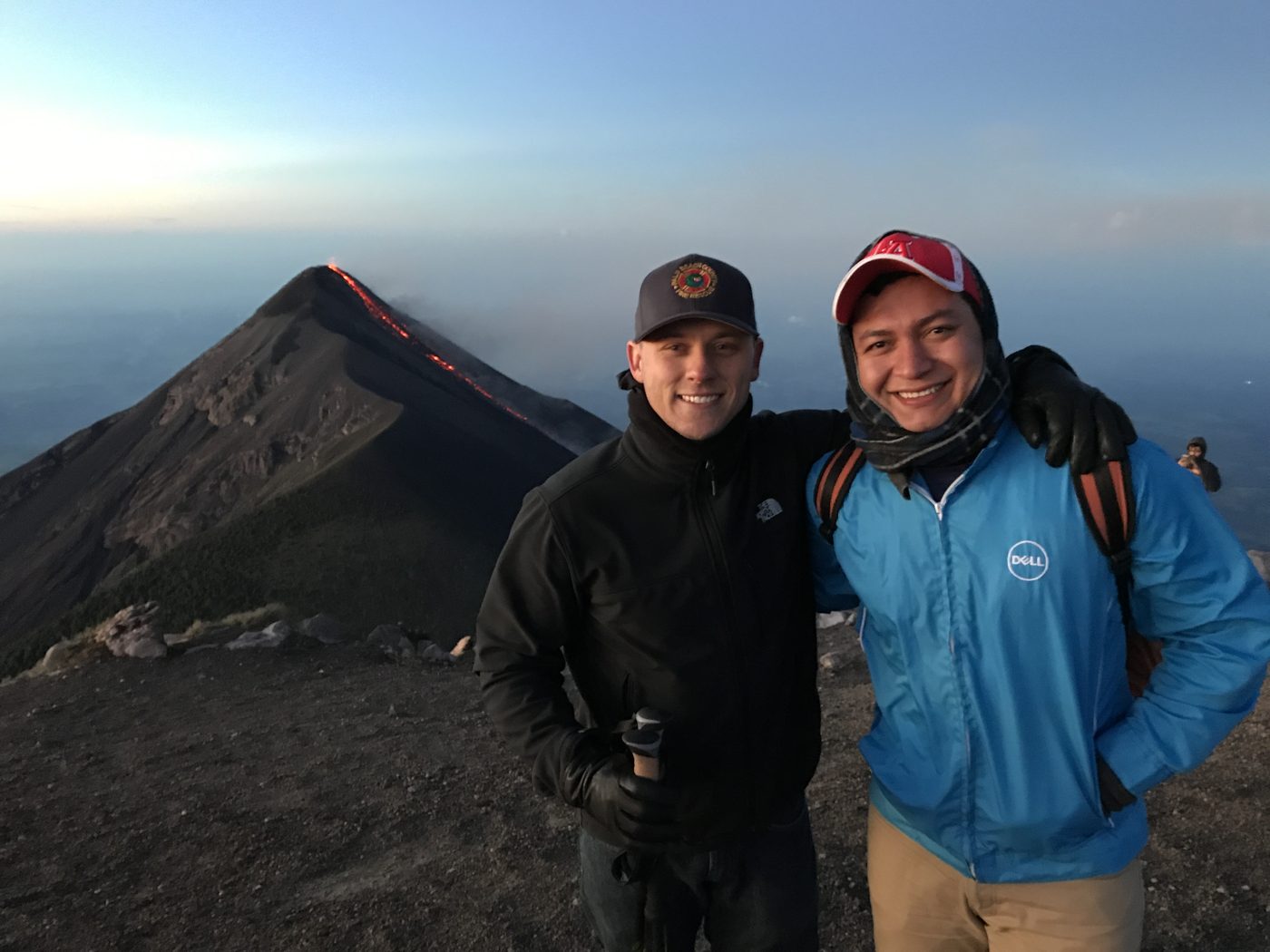
I have stood on a summit at sunrise and watched a volcano erupt below me. That photo is Acatenango in Guatemala, where you climb past 13,000 feet in a day, and most of the group, including me, ends up with the headache and the breathless, sleepless night that thin air brings. I have felt it on Colorado 14ers too. I built this because I have been the traveler trying to figure out whether I needed Diamox before a big climb, and I would rather you sort that out calmly from home than guess on the mountain.
Bidwell Cranage, Bidwell Health founder, on Acatenango as Fuego erupts (Guatemala). One of 26 countries traveled.
Know the emergencies
Ordinary altitude sickness is a headache, nausea, tiredness, and poor sleep, and acetazolamide helps with those. But confusion, stumbling or trouble walking a straight line, breathlessness at rest, or a cough with frothy spit are signs of severe altitude illness (HACE or HAPE). On Kilimanjaro these are true emergencies. The treatment is immediate descent and getting help, and no pill is a substitute for going down. People have died on this mountain from pushing through these signs.
How to get Diamox for Kilimanjaro online
Bidwell Health can review your trek and send acetazolamide online to your pharmacy before you fly, when it is clinically appropriate.
A $45 asynchronous visit (no video, no membership), reviewed by a licensed clinician, for adults located in one of our eligible states. You start the medication the day before you begin climbing, so request it several days before departure, and remember you need to be in an eligible state when you ask for care.
FAQ
Do I need Diamox for Kilimanjaro?
For almost everyone climbing Kilimanjaro, yes. At 19,341 feet (5,895 meters) it is the highest mountain in Africa, and most treks reach the summit in only six to eight days, which is a fast climb to a very high altitude. Acetazolamide (Diamox) is commonly recommended to lower the risk of acute mountain sickness, and it matters most on the shorter routes that give you less time to adjust.
How common is altitude sickness on Kilimanjaro?
Very common. Most climbers feel at least mild altitude sickness, with headache, nausea, and poor sleep, because the ascent is fast and the summit is so high. A good operator, a slower route, and acetazolamide all reduce the risk, but no one can promise you will not feel it.
Which Kilimanjaro route is best for avoiding altitude sickness?
Longer routes with more time to acclimatize do best. Lemosho and the Northern Circuit (seven to nine days) give you the most time to adjust and have the highest summit success. The five to six day Marangu route is the fastest and tends to have the lowest success, so acetazolamide is especially worth it there.
When should I start Diamox for Kilimanjaro?
Start acetazolamide about one day before you begin climbing and continue it during the ascent, usually until you have topped out and started coming down. Because you start it before the climb, request the prescription several days before you fly to Tanzania so you have it in hand.
Can I get Diamox for Kilimanjaro online?
Yes. Bidwell Health offers a $45 asynchronous online visit, no video and no subscription, for adults located in one of our eligible states. A licensed clinician reviews your trek and sends acetazolamide to your pharmacy when clinically appropriate, so you can travel with it. You need to be physically in an eligible state when you request care, so do it before you leave.
Related
- Altitude sickness medicine online, $45 visit
- When to start Diamox before altitude
- Do I need altitude medicine for Cusco?
- Altitude sickness in Colorado
Last reviewed: June 18, 2026 · References: CDC Yellow Book (High-Altitude Travel and Altitude Illness); Wilderness Medical Society Acute Altitude Illness guidelines (2024). Plan your route and prophylaxis with current guidance before you climb.