Altitude Sickness · Peru
Do I need altitude medicine for Cusco?
For most travelers, yes, altitude medicine is worth it for Cusco. Cusco sits at about 11,152 feet (3,400 meters), and roughly half of people who go straight there get some altitude sickness (the locals call it soroche). Acetazolamide (Diamox) is commonly recommended, especially if you fly in directly from sea level or have had altitude sickness before.
Cusco is higher than Machu Picchu
This surprises people: the famous ruins are actually lower than the city you fly into.
| Place | Elevation | Altitude sickness risk |
|---|---|---|
| Cusco | ~11,152 ft (3,400 m) | High, about half of arrivals feel it |
| Sacred Valley (Ollantaytambo) | ~9,160 ft (2,792 m) | Moderate, a common acclimatization stop |
| Machu Picchu | ~7,972 ft (2,430 m) | Lower; many feel better here than in Cusco |
| Rainbow Mountain | ~16,500 ft (5,030 m) | Very high, plan carefully |
Because Cusco is the high point most people hit first (and fastest, flying in), it is where altitude sickness usually strikes. A smart itinerary spends the first night in the lower Sacred Valley rather than Cusco, but many tours go straight to the city.
When acetazolamide makes the most sense for Cusco
- You fly into Cusco directly from sea level (most travelers)
- You have had altitude sickness before
- Your itinerary climbs higher (Rainbow Mountain, Salkantay, Ausangate)
- You only have a few days and cannot spend them acclimatizing slowly
If you have many days to ascend gradually and stay low at first, you may not need it, but for a typical fly-in Cusco and Machu Picchu trip, it is a reasonable choice. It does not replace good habits: ascend gradually where you can, take it easy the first day, hydrate, and skip alcohol early on.
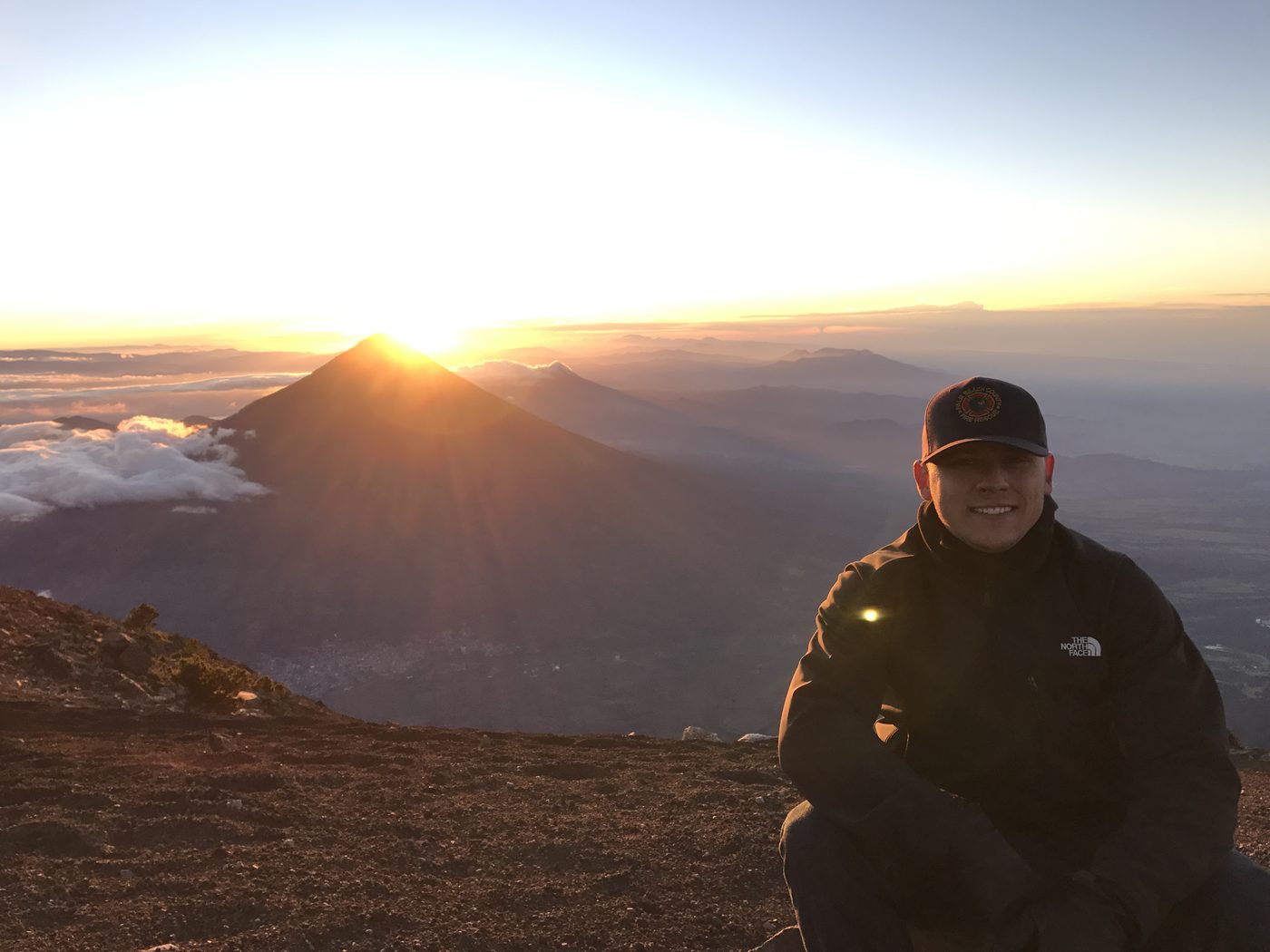
I have felt altitude the hard way, on Acatenango in Guatemala (that is me at sunrise above the clouds) and on Colorado 14ers. Cusco sits right in the range where I first started to feel it, and flying straight in from sea level is exactly the fast arrival that brings it on. So the question this page answers is one I have asked myself before a trip, not a textbook exercise.
Bidwell Cranage, Bidwell Health founder, at sunrise on Acatenango (Guatemala). One of 26 countries traveled.
Watch for the warning signs
Ordinary altitude sickness is a headache, nausea, tiredness, and poor sleep, and acetazolamide helps. But confusion, trouble walking a straight line, breathlessness at rest, or a cough with frothy spit are signs of severe altitude illness (HACE or HAPE). Those are medical emergencies: descend immediately and get help. No medication substitutes for going down.
How to get Diamox for Peru online
Bidwell Health can review you for acetazolamide online and send it to your pharmacy before you fly, when it is clinically appropriate.
A $45 asynchronous visit (no video, no membership) for adults in eligible states, reviewed by a licensed clinician. Request it a few days before departure, because you start the medication the day before you reach altitude.
FAQ
Do I need altitude medicine for Cusco?
Many travelers do. Cusco sits at about 11,152 feet (3,400 meters), and roughly half of people who go straight to that elevation get some altitude sickness. Acetazolamide (Diamox) is commonly recommended for Cusco, especially if you fly in directly from sea level or have had altitude sickness before.
Is Machu Picchu or Cusco higher?
Cusco is higher. Cusco is about 11,152 feet, while Machu Picchu is about 7,972 feet. Most people feel altitude more in Cusco and the Sacred Valley than at Machu Picchu itself, which is why the medication question is really about Cusco.
When should I start Diamox for Cusco?
Start acetazolamide about one day before you arrive at altitude and continue it for the first two days in Cusco, or longer if you keep climbing. Because you start it before the trip, it is worth requesting the prescription a few days before you fly.
Can I get Diamox for Peru online?
Yes. Bidwell Health offers a $45 asynchronous online visit, no video and no subscription, for adults in eligible states. A licensed clinician reviews your trip and sends acetazolamide to your pharmacy when clinically appropriate, so you can travel with it.
Related
- Altitude sickness medicine online, $45 visit
- When to start Diamox before altitude
- Do I need Diamox for Kilimanjaro?
- Best online travel medicine 2026
Last reviewed: June 18, 2026 · References: CDC Yellow Book (High-Altitude Travel and Altitude Illness); Wilderness Medical Society Acute Altitude Illness guidelines (2024).