Altitude Sickness · Wyoming
Altitude sickness at Grand Teton
Jackson Hole is low, but the trips above it are not, and that is where altitude sickness happens. The town of Jackson sits near 6,200 feet, usually fine on its own, but the aerial tram and the big hikes climb past 10,000 feet, and the summit of Grand Teton is 13,775 feet. If you fly in from sea level and head straight up, acetazolamide (Diamox) can help. A casual valley visit usually does not need it.
It depends entirely on your itinerary
| Where you are | Elevation | Altitude sickness risk |
|---|---|---|
| Jackson (town) and the valley floor | ~6,200 ft | Low for most people |
| Jenny Lake and valley trailheads | ~6,800 ft | Low |
| Aerial tram top (Rendezvous Mountain) | ~10,450 ft | Moderate, and you get there in minutes |
| Paintbrush Divide and high passes | ~10,700 ft | Moderate to high on a big day |
| Grand Teton summit | ~13,775 ft | High; a serious climb |
The tram is the sneaky one: you can ride from the valley to over 10,000 feet in about twelve minutes, which is far faster than your body can adjust. That fast jump, or a fly-in-and-climb itinerary, is what brings on the headache and nausea. Many people also pair a Tetons trip with Yellowstone, where much of the plateau sits near 7,500 to 8,000 feet.
Who benefits most from Diamox in the Tetons
- You are climbing the Grand or doing high passes above about 10,000 feet
- You fly in from sea level and ride the tram or hike high on day one
- You have had altitude sickness on a past mountain trip
- You have only a few days and cannot ease into the elevation slowly
If you are mostly in the valley, going up gradually, hydrating, taking the first day easy, and skipping alcohol early may be all you need. Acetazolamide is for the fast, high days.
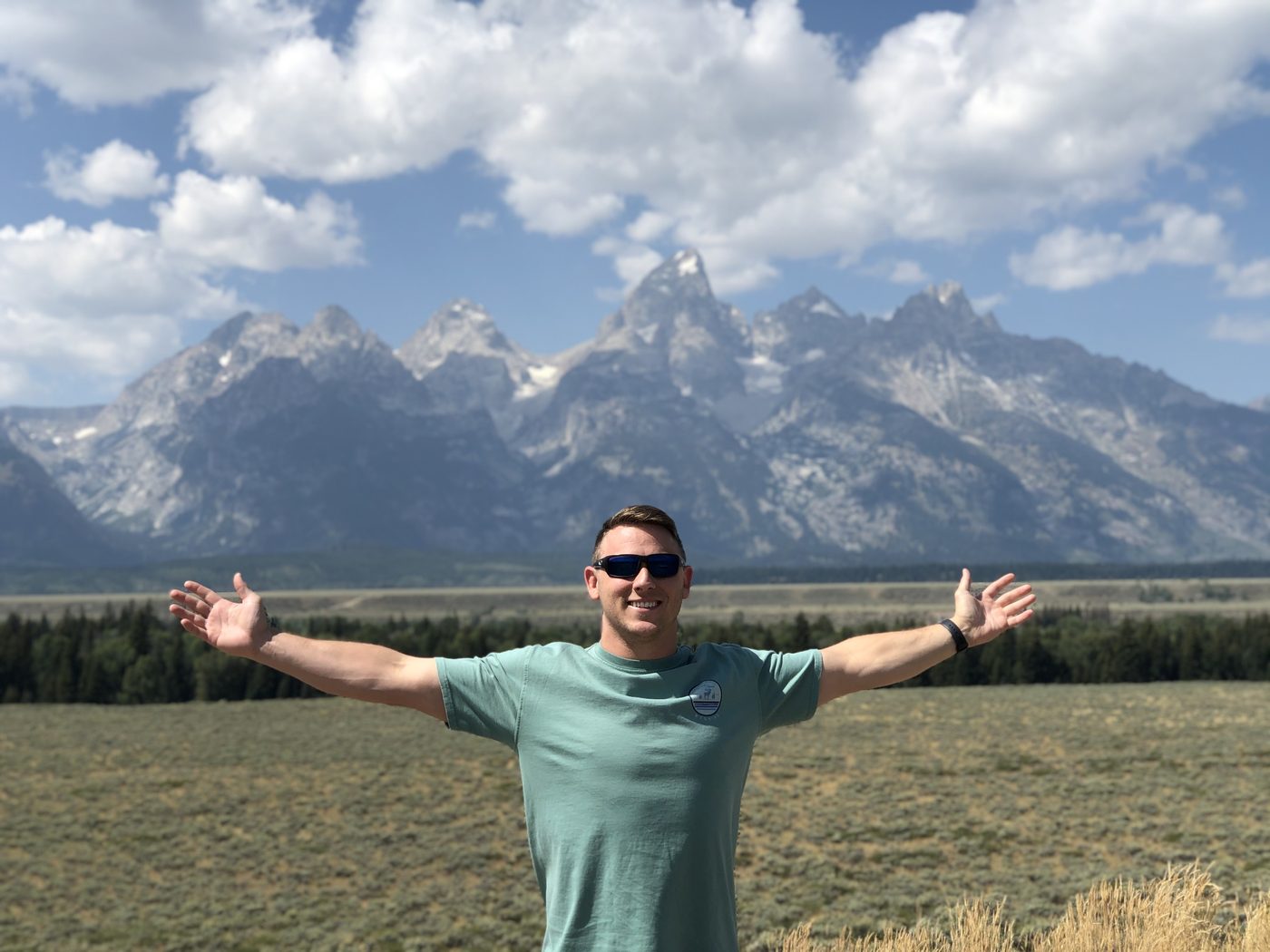
That is me in front of the Tetons. I am an avid traveler and I have had altitude sickness myself, on Acatenango in Guatemala and on Colorado 14ers, so I know how fast a beautiful day in the mountains can turn into a pounding headache. The Tetons are stunning and worth it. I just want you to go up smart, and to have what you need before you leave home.
Bidwell Cranage, Bidwell Health founder, at Grand Teton National Park. One of 26 countries traveled.
Know the warning signs
Ordinary altitude sickness is a headache, nausea, tiredness, and poor sleep, and acetazolamide helps with those. But confusion, trouble walking a straight line, breathlessness at rest, or a cough with frothy spit are signs of severe altitude illness (HACE or HAPE). Those are emergencies, even on a US national park trip: descend and get help right away. No medication replaces going lower.
Get acetazolamide for a Tetons trip online
Bidwell Health can review you for acetazolamide online and send it to your pharmacy before you fly, when it is clinically appropriate.
A $45 asynchronous visit (no video, no membership), reviewed by a licensed clinician. Remember you need to be located in one of our eligible states when you request care, so the simplest plan is to ask from home a few days before you travel.
FAQ
Do you get altitude sickness at Grand Teton and Jackson Hole?
You can. The town of Jackson sits near 6,200 feet, which is usually fine on its own, but the tram and the popular hikes climb past 10,000 feet, and that is where altitude sickness starts for many people. Visitors who fly in from sea level and head straight up to a high trail or the summit are the ones who feel it.
Do I need Diamox for hiking the Tetons?
For a casual valley visit near 6,200 feet, usually not. Acetazolamide (Diamox) makes more sense if you are doing the big climbs or passes above about 10,000 feet, if you fly in and ascend fast, or if you have had altitude sickness before. Going up gradually, hydrating, and taking the first day easy help in every case.
How high is Grand Teton?
The summit of Grand Teton is about 13,775 feet. The valley floor at Jackson Hole is near 6,200 feet, the aerial tram tops out around 10,450 feet, and popular high routes like Paintbrush Divide reach roughly 10,700 feet, so the elevation you actually feel depends a lot on your itinerary.
Can I get altitude medicine online for a Wyoming trip?
We can prescribe acetazolamide for a Grand Teton or Jackson Hole trip, but Wyoming is not one of the states we are licensed in, so you must be physically located in one of our eligible states when you request the visit. Most travelers request it from home before they fly, since you start the medication the day before you reach altitude.
Related
- Altitude sickness medicine online, $45 visit
- Altitude sickness in Colorado
- When to start Diamox before altitude
- Do I need Diamox for Kilimanjaro?
Last reviewed: June 18, 2026 · References: CDC Yellow Book (High-Altitude Travel and Altitude Illness); Wilderness Medical Society Acute Altitude Illness guidelines (2024).