Altitude Sickness · Europe
Altitude sickness in the Alps
The Alpine towns are low, but the cable cars and trains above them are not, and that is where altitude sickness sneaks up. Chamonix sits near 3,400 feet and Zermatt near 5,300 feet, but the lifts climb to over 12,000 feet in about twenty minutes. That speed is exactly what your body cannot adjust to. For a valley holiday you usually do not need acetazolamide (Diamox); for the high viewpoints, hut treks, and climbs, it can help.
Low towns, very high lifts
| Place | Elevation | Altitude sickness risk |
|---|---|---|
| Chamonix (town) | ~3,400 ft | Low |
| Zermatt (town) | ~5,300 ft | Low |
| Jungfraujoch railway (Top of Europe) | ~11,332 ft | Moderate; a fast train ride up |
| Aiguille du Midi cable car | ~12,605 ft | Moderate to high; up in about 20 minutes |
| Klein Matterhorn (Matterhorn Glacier Paradise) | ~12,740 ft | Moderate to high; highest lift in Europe |
| Mont Blanc summit | ~15,777 ft | High; a serious climb |
The famous viewpoints are the catch. Riding from Chamonix to the Aiguille du Midi gains more than 9,000 feet in minutes, and plenty of visitors feel lightheaded, headachy, or breathless at the top. Multi-day hut treks like the Tour du Mont Blanc, or hiking in the Dolomites where the trails and rifugi sit between roughly 7,500 and 9,800 feet, add a slower but real exposure.
Who benefits most from Diamox in the Alps
- You are heading to a very high viewpoint like the Aiguille du Midi, Jungfraujoch, or Klein Matterhorn
- You are doing a hut-to-hut trek over high passes
- You are climbing a peak such as Mont Blanc
- You have had altitude sickness before, anywhere
If you are mostly enjoying the valleys and villages, you probably do not need it. Either way, take the high lifts slowly, hydrate, and come down if you feel unwell at the top.
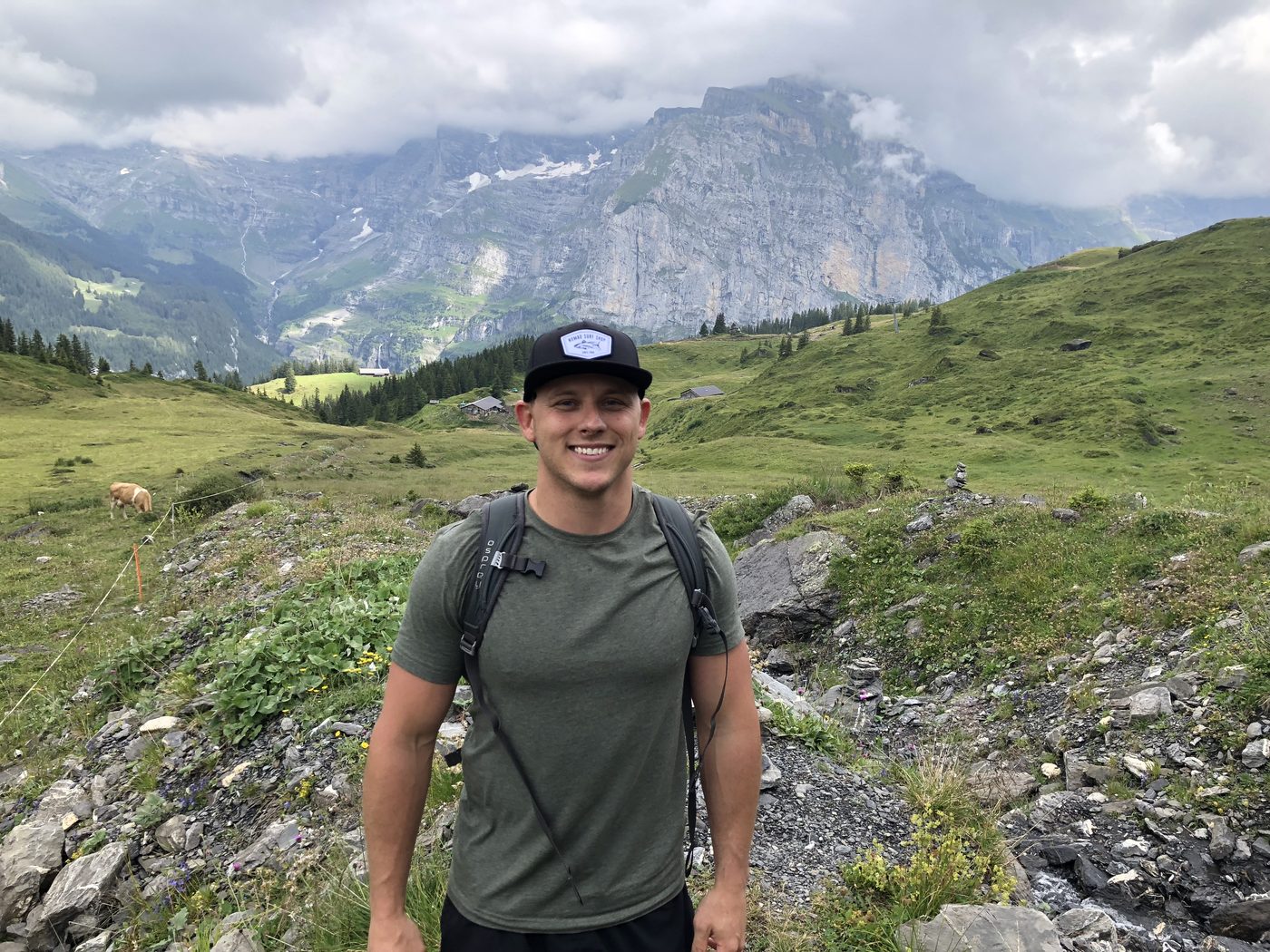
That is me hiking in the Alps. I am an avid traveler across 26 countries, and I have had altitude sickness myself on Acatenango in Guatemala and on Colorado 14ers, so I have a healthy respect for how fast a cable car can put you somewhere your body is not ready for. The Alps are one of my favorite places on earth. I just want you to enjoy the view without the headache.
Bidwell Cranage, Bidwell Health founder, in the Alps.
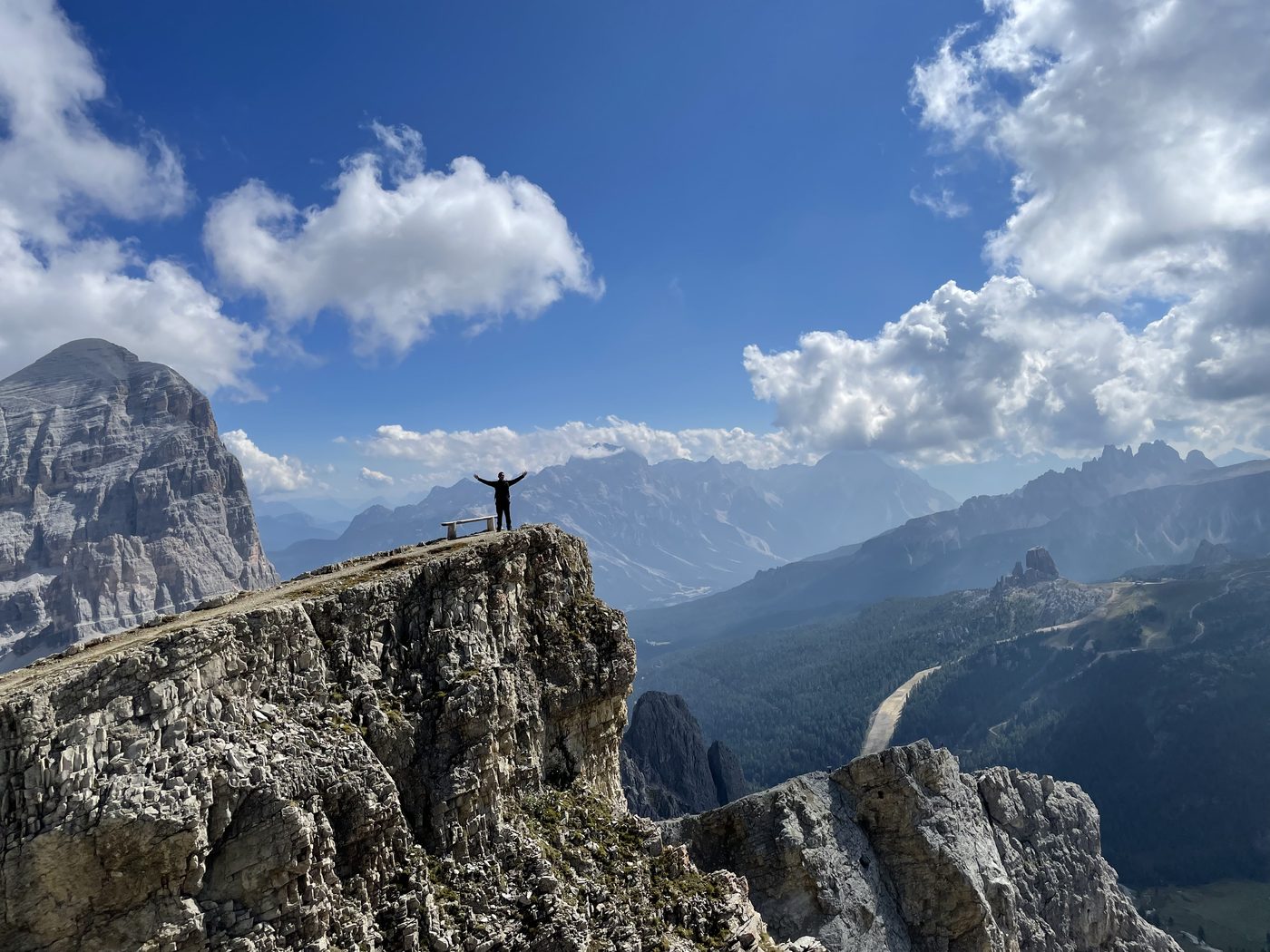
Know the warning signs
Ordinary altitude sickness is a headache, nausea, tiredness, and poor sleep. But confusion, trouble walking a straight line, breathlessness at rest, or a cough with frothy spit are signs of severe altitude illness (HACE or HAPE), and they are emergencies. Descend and get help right away. No medication replaces going down.
Get acetazolamide for the Alps online
Bidwell Health can review you for acetazolamide online and send it to your pharmacy before you fly, when it is clinically appropriate.
A $45 asynchronous visit (no video, no membership), reviewed by a licensed clinician. Request it from home a few days before departure, since you need to be in an eligible state to be seen and you start the medication the day before you go high.
FAQ
Can you get altitude sickness in the Alps?
Yes. Alpine towns like Chamonix and Zermatt are fairly low, but the cable cars and mountain railways climb past 11,000 and 12,000 feet in minutes, far faster than your body can adjust. That rapid jump is a classic trigger for altitude sickness, and multi-day hut treks across high passes add to it.
Do I need Diamox for the Alps?
For staying in the valley towns, usually not. Acetazolamide (Diamox) makes more sense if you are taking a cable car or train to a very high viewpoint like the Aiguille du Midi or Jungfraujoch, doing a hut-to-hut trek over high passes, or climbing a peak, especially if you have had altitude sickness before.
Is the Aiguille du Midi high enough to cause altitude sickness?
It can be. The Aiguille du Midi cable car climbs from Chamonix at about 3,400 feet to roughly 12,600 feet in about twenty minutes. That is a very fast gain to a high elevation, and some visitors feel lightheaded, breathless, or headachy at the top. Take it slowly up there and come down if you feel unwell.
Can I get altitude medicine online for a Europe trip?
Yes, if you are physically located in one of our eligible states when you request the visit. We prescribe acetazolamide for adults and send it to your pharmacy before you fly. Because you start it the day before you reach altitude, request it from home a few days before your trip to the Alps.
Related
- Altitude sickness medicine online, $45 visit
- When to start Diamox before altitude
- Do I need Diamox for Kilimanjaro?
- Do I need altitude medicine for Cusco?
Last reviewed: June 18, 2026 · References: CDC Yellow Book (High-Altitude Travel and Altitude Illness); Wilderness Medical Society Acute Altitude Illness guidelines (2024).