Traveler's Diarrhea · Mexico
Montezuma's revenge: do you need antibiotics for Mexico?
Do not take an antibiotic routinely to prevent traveler’s diarrhea in Mexico. Most mild cases need fluids and symptom care. A clinician may prescribe a standby course for a trip where moderate or severe illness would be difficult to manage, with clear instructions on when to use it and when to get local care. Carry oral rehydration salts and use safe food and water practices whether or not you carry an antibiotic.
What Montezuma's revenge actually is
The nickname sounds dramatic, but it is the same food and water-borne infection travelers get all over the world (Delhi belly in India, Bali belly in Indonesia). In Mexico it usually comes from tap water, ice, raw or unpeeled produce, or food that has been sitting out. It is most often bacterial, which is why an antibiotic helps the worse cases.
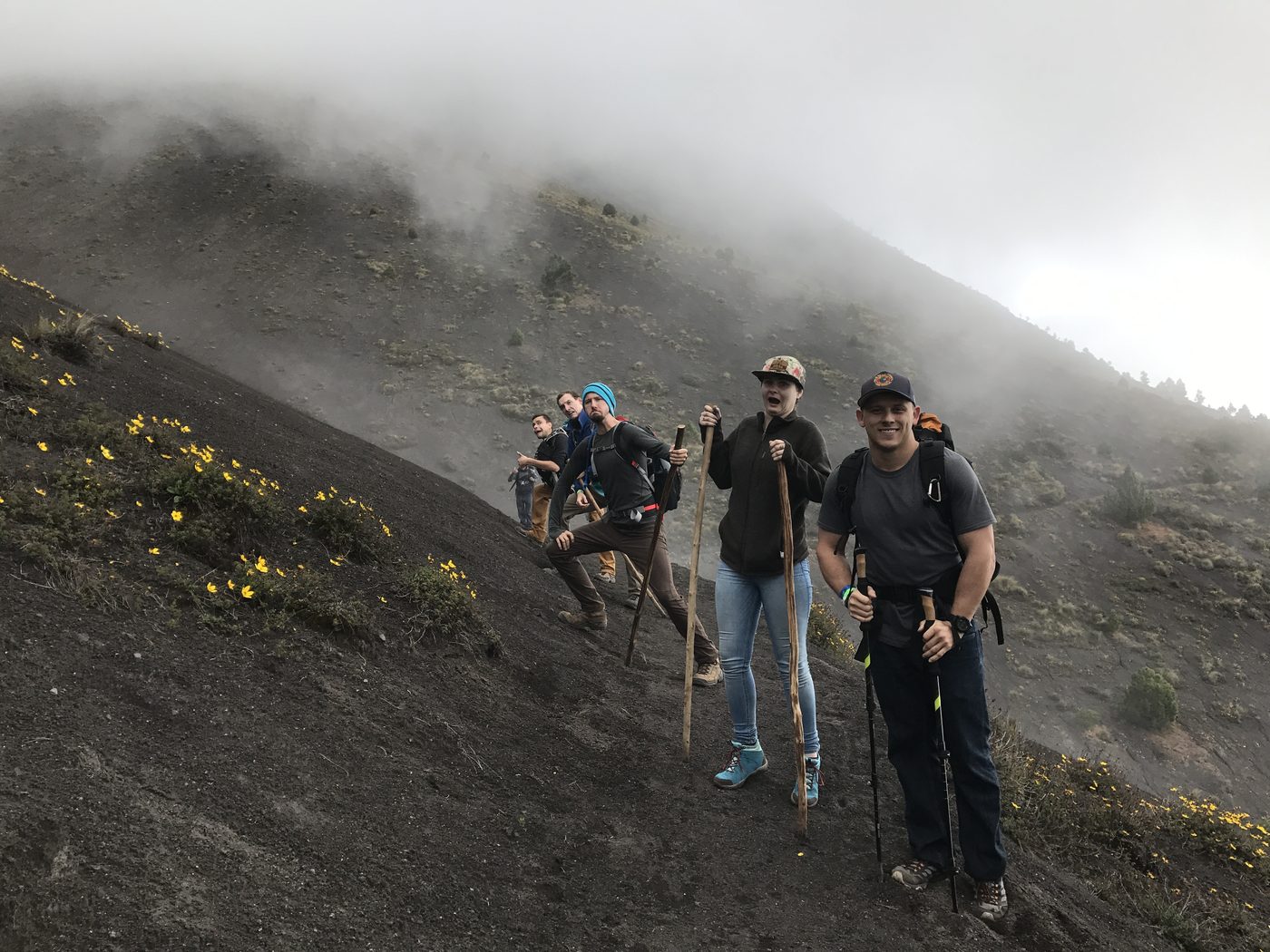
I have had traveler's diarrhea more than once, in Mexico, in Guatemala, and in Southeast Asia. It is the single most common thing that goes wrong on a trip, and it is miserable when you are far from a pharmacy and do not speak the language. That is why I carry a standby antibiotic, and why I built this: I have been the traveler stuck in a hotel bathroom wishing I had packed one before I left.
Bidwell Cranage, Bidwell Health founder, trekking in Guatemala. One of 26 countries traveled.
When you treat with fluids, and when you reach for the antibiotic
| How bad it is | What to do |
|---|---|
| Mild (annoying, not stopping your day) | Fluids and rehydration salts, rest, loperamide for comfort. No antibiotic. |
| Moderate to severe (ruining your trip) | A standby course of azithromycin can shorten it. This is the reason to carry one. |
| Blood in the stool, high fever, severe dehydration | Seek in-person care. Do not just push fluids and an antibiotic, these need a clinician. |
Oral rehydration is the single most important treatment. Loperamide eases symptoms but should not be used alone if you have a fever or bloody stool. The point of the standby antibiotic is that a pharmacy run while you are sick in Cancun or Mexico City is the last thing you want, so you carry it from home just in case.
How to avoid it in the first place
- Drink sealed bottled or purified water; skip tap water and ice
- Be careful with raw produce, unpeeled fruit, and buffet food left sitting out
- Boil it, cook it, peel it, or forget it
- Wash hands often or use sanitizer before eating
- Remember an all-inclusive resort does not make you immune
Bismuth subsalicylate can reduce the chance of traveler’s diarrhea, but it is not suitable for everyone. Do not take bismuth subsalicylate if you have an aspirin allergy, gout or kidney insufficiency, or take anticoagulants, methotrexate or probenecid. CDC does not recommend it during pregnancy. A pharmacist can check other medicines, including aspirin or other salicylates, for interactions. It does not replace food, water and hand-hygiene precautions. CDC discusses its benefits and cautions.
Get a standby antibiotic before Mexico
Bidwell Health can review you and send a standby antibiotic online to your pharmacy before you fly, when it is clinically appropriate.
A $45 asynchronous visit (no video, no membership), reviewed by a licensed clinician, for adults located in one of our eligible states. Request it before you leave, since you need to be in an eligible state when you ask for care and you want the medication in hand before the trip.
FAQ
Is Montezuma's revenge just traveler's diarrhea?
Yes. Montezuma's revenge, sometimes called turista, is the nickname for traveler's diarrhea in Mexico. It is usually a food or water-borne infection, most often bacterial, that causes diarrhea and cramps for a day or a few days. Most cases are mild and get better with fluids and rest.
Do I need antibiotics for Mexico?
Not routinely for prevention or for a mild case. Whether to carry a standby antibiotic depends on your trip, access to care, health, allergies and other medicines. If one is prescribed, use it only under that plan for appropriate moderate or severe illness. Bloody stool, high fever or dehydration needs medical care.
How do I avoid getting sick in Mexico?
Drink sealed bottled or purified water, avoid untreated tap water and ice made from unsafe water, and be careful with raw produce, unpeeled fruit, and food that has been sitting out. The old rule still helps: boil it, cook it, peel it, or forget it. Good hand hygiene matters, and an all-inclusive resort does not make you immune.
Can I get a traveler's diarrhea antibiotic for Mexico online?
Yes. Bidwell Health offers a $45 asynchronous online visit, no video and no subscription, for adults located in one of our eligible states. A licensed clinician can send a standby antibiotic to your pharmacy before you fly, when it is clinically appropriate, so you have it just in case.
Related
- Traveler's diarrhea antibiotics online, $45 visit
- Traveler's diarrhea vs food poisoning
- How fast does azithromycin work?
Match treatment to severity
Mild: tolerable and does not interrupt planned activities; antibiotics are not recommended. Moderate: distressing or interrupts activities; an antibiotic may be appropriate under your travel plan. Severe: incapacitating or prevents activities; medical care and antibiotic treatment may be needed. Bloody diarrhea is severe regardless of stool count. Antibiotics can cause side effects, C. difficile infection and resistant-bacteria carriage. CDC treatment guidance.
Get care promptly for bloody stool, high fever, severe abdominal pain, inability to keep fluids down, very little urine or marked dizziness. Confusion or fainting needs urgent help. Do not wait 24 to 48 hours when warning signs are present. A fever during or after travel in a malaria area also needs urgent assessment, even if you took prevention pills.
Source details
CDC Yellow Book: travelers’ diarrhea
Original review date: June 18, 2026 · References: CDC Yellow Book (Travelers' Diarrhea).